All posts by 88herbs

Passion Flower and Sleep

passion Flower for sleep

Passion flower has been used for centuries as a sleep aid. Ancient medical practitioners knew first hand of the powers of passion flower and they often used it when treating patients. Modern science has finally caught up with the times. There is now impressive scientific research showing that passion flower is a great sleep aid for helping people fall asleep, stay asleep, and improve the quality of their sleep. More on the science below:

How does passion flower work for sleep?

Passion flower works in several ways to help with sleep. First of all, we need to remember that even though it’s only one plant, there are several different active ingredients involved.

The three major “families” of active ingredients in passion flower are: alkaloids, glycosides, flavanoids. The active ingredients all have unique functions and they work together synergistically.

The active ingredients in passion flower help with sleep in 3 major ways:

1. Passion flower increases the amount of GABA in the brain. GABA is the body’s main inhibitory neurotransmitter; high levels of GABA are associated with reduced levels of anxiety. Lower levels of anxiety will calm a racing mind and help a person fall asleep. To give you an idea of the strength of its anxiolytic (anti-anxiety) properties, passion flower has been shown to be as effective as the major benzodiazepine drug, oxazepam (Serax). (Link to study below) Valium is another common benzodiazepine, and it also works to increase GABA. Even though it’s not a sleep drug per se, its anti-anxiety effects are often strong enough to give many people a very good and long sleep.

2. Passion flower is also known to be a useful muscle relaxer. When a person’s muscles are tense, it’s much more difficult for them to drift off to sleep. Passion flower will help relax all the major muscles in the body which in turn will help you fall asleep faster and enjoy a better quality of sleep.

3. Passion flower is well known for having analgesic (pain killing) properties. It is also an anti-inflammatory. Even if you aren’t in a lot of pain, the pain killing effects of passion flower may take your current level of pain to a slightly lower level, thus making you more comfortable and able to fall asleep a little more easily.

There are many different active ingredients inside the 3 families listed above. They all work together in very complex and synergistic ways to help improve a person’s sleep. The 3 ways mentioned above are just a few simple ways passion flower works its magic.

The science behind passion flower and sleep:

Passion flower has been scientifically shown to directly increase the quality of sleep. It has been shown to be as effective as certain powerful benzodiazepine (used for sleep and anxiety) medications. Passion flower has also been shown to significantly decrease anxiety in patients before surgery compared with a placebo, thus creating the right state of mind for a peaceful sleep.

We’ll discuss and link to these 3 studies now. All 3 studies provide a very promising scientific framework as to why passion flower makes an effective sleep aid.

Study 1:
Passion flower improves the quality of sleep:

This study looked at passion flower’s effects on sleep quality vs a placebo. This particular study used passion flower tea (the placebo was parsley tea).

There were 41 people in the study, each between 18 and 35 years old.
Everyone recorded their sleep quality in a diary for 7 straight days. They also underwent a polysomnography (PSG) test. A polysomnography is a well known scientific diagnostic sleep tool which measures several biophysiological sleep metrics like eye movements, muscle activity, heart activity, etc.
The results showed that passion flower significantly improved the quality of sleep as seen on both the sleep diaries and the polysomnography test.

Here is a link to the official study

Study 2:

This is a fascinating study showing the strength of passion flower and how well it could work for both sleep and anxiety. It looked at 36 patients with GAD (general anxiety disorder). This study compared the effects of passion flower to the effects of the powerful benzodiazepine drug Oxazepam (Serax).
Oxazepam is a benzo with a slower onset of action than other benzos like Valium. It helps people stay asleep rather than fall asleep. Learn more about Oxazepam

Although this study specifically looked at patients with anxiety disorder, it’s important to note that Oxazepam is often prescribed by doctors for patients with insomnia. There is a very strong link between anxiety and sleep disorders.

The results were very impressive. Both passion flower and Oxazepam were effective in treating anxiety. And they were equally effective, which is amazing. The difference was that passion flower had no negative side effects associated with it, whereas the Oxazepam group did experience negative side effects.
A specific sleep study on humans comparing passion flower to Oxazepam hasn’t been conducted yet, but there is very promising evidence to suggest that passion flower would be just as effective in this arena as well.
Read more on the “Passion flower vs Oxazepam” study.

Study 3:

This was an interesting double blind study of 60 people. The researchers were trying to see if passion flower was better than a placebo in reducing anxiety before surgery. Surgery is a very stressful event, so if this study can show passion flower can reduce anxiety even in this type of situation, it would indicate it’s quite powerful. The researchers used various sophisticated tests of psychomotor function to determine anxiety levels.
The results clearly showed the passion flower significantly reduced anxiety in patients about to undergo surgery.
Although this study measured anxiety rather than sleep directly, when combined with the results of the first 2 studies, we have an impressive bit of research illustrating how passion flower could be a great sleep aid in addition to being an anxiety reducing herb.

For more info, check out the “Passion flower reduces anxiety before surgery” study.

Conclusions:

Passion flower has a lot of scientific evidence supporting its role as an effective sleep aid. Passion flower can work alone as an effective sleep aid, and it’s likely even more effective as a sleep aid when combined with other natural ingredients that have also been proven to help with sleep.

There are hundreds of different species of passion flower, and the parts of the plants used and the way the passion flower is processed varies a great deal between brands. It’s essential to pay attention to the type of passion flower you get and make sure it’s standardized to a high % of the “flavanoid” active ingredient family.

L-Theanine and Sleep

l-theanine sleep supplement

Sleep is an extremely complex process.  High quality L-Theanine has been proven to help improve the overall quality of sleep. L-theanine as a sleep supplement has an added benefit because it’s generally considered non-addictive or habit-forming. When taken during the day, it is non-drowsy and helpful for improving focus and mood. When taken before bedtime, it is quite helpful for improving sleep quality and reducing sleep latency (the time it takes to fall asleep).

How does L Theanine improve sleep quality?

L Theanine increases alpha brain wave activity. Alpha brain waves are mainly known to be present during 2 phases.

One time alpha brain wave activity is high is when a person is in a deep state of mental relaxation. This is when their eyes are closed, but they are neither drowsy nor sleeping. This is a very deep state of mental relaxation – a state which masters of Zen Buddhism are able to reach.

The other time alpha brain wave activity is high is during REM (rapid eye movement) sleep. REM sleep is one of the 5 phases of sleep, and it’s often regarded as the most important phase. Measuring the total amount of time a person sleeps is less important than measuring the quality of a person’s sleep. L theanine is well-known for improving a person’s sleep quality, not just making someone sleep longer. Generally speaking, the more REM sleep a person has, the better the quality. The person taking L-theanine will wake up feeling well rested and alert, not tired and groggy the next morning. We’ll get to the specific scientific studies on this below.

Another significant way L Theanine works to improve sleep is the effect it has on the inhibitory neurotransmitter GABA. The more GABA in the brain, or the more efficiently GABA is working, the better the sleep quality. GABA is an anxiolytic (anti-anxiety) neurotransmitter. By increasing the effectiveness of the GABA system, L Theanine works to quiet the mind, slow down racing thoughts, and prepare it to drift off into a deep and peaceful sleep.

alpha brain waves calm down with l-theanine

L Theanine has also been scientifically shown to reduce the edgy or jittery effects from caffeine. So if you are wondering how to counteract or neutralize the effects of caffeine, L Theanine can be a great antidote. And if you drink tea, coffee, cola, or anything caffeinated in the afternoon or evening, L Theanine is a wise choice to help you with your sleep.

Caffeine stays in the system for a long time and the effects can last up to 14 hours. So if you have caffeine at noon, it could still be affecting you by 2 am!

Check out are article here on l theanine and caffeine taken together.

The Science behind L Theanine and Sleep:

Here are a few interesting scientific studies which show L Theanine’s benefits for improved sleep quality.

Study 1:

This study is a direct measurement of alpha brain wave activity from taking L Theanine vs a placebo. We know that alpha brain wave activity is very high during deep meditative states of relaxation, and also during high quality REM sleep.

The study aimed to show that low levels of L Theanine (50mg per day) were enough to produce significant results. The reason they chose such a low amount of L Theanine to study was to see if a realistic dietary intake of L Theanine is enough to make a difference. L Theanine is found naturally in green tea, about 20 mg’s per cup.

l-theanine from grean tea

The results were such that even 50 mg of L Theanine was enough to significantly increase alpha brain wave activity in subjects resting with their eyes closed, and also when performing moderate activity. There is significant evidence that higher levels of L Theanine (125-250 mg per day) produce even more significant results.

Here is a link to the study

Study 2:

This study reviewed the mechanism of L-theanine as a natural sleep aid. It suggests that taking 200 mg of L-theanine before bed improves sleep quality by reducing anxiety rather than sedation.

The study also suggests that L-theanine does not cause daytime drowsiness and has no observable adverse effects at recommended doses. Overall, the study concludes that L-theanine is a safe and effective natural sleep aid, which is non-addictive and has very few side effects.

L-theanine has the added benefit of not causing drowsiness when taken during the day, or causing drowsiness the morning after taking it.

Study 3:

Here was a recent crossover study that looked at several benefits of l theanine compared to placebo.  They gave participants 200 mg of l theanine or an identical looking placebo. 

The way they measured sleep was assessed using the Pittsburgh Sleep Quality Index (PSQI). 

They concluded:

“The reduction in sleep quality problems (disturbances in sleep latency, sleep disturbance, and use of sleep medication) was greater in the L-theanine administration compared to the placebo administration”

Study 4:

Another double blind study looked at subjects with general anxiety disorder.  They took relative high dose l theanine (450 – 900) mg per day, along with their current antidepressant medication.  

One conclusion of the study was:

Participants treated with l theanine “reported greater self-reported sleep satisfaction than placebo”


This means that people woke up feeling better and more well-rested after taking L-theanine. The study also showed that even relatively high doses of L-theanine are quite safe and well tolerated.

Study 5:

This double blind study looked at boys, aged 8 – 12 years old, with ADHD.  

They took 200 mg of l theanine (twice daily) or a placebo. 

The study results showed that:

“Actigraph watch data findings indicated that boys who consumed L-theanine obtained significantly higher sleep percentage and sleep efficiency scores”

Overall insights from the studies on L-theanine and sleep:

These studies are great to view in conjunction with one another.

The first study shows that L Theanine actually increases alpha brain waves on a physical level, which would indicate a better sleep from more time in REM sleep, explain the potential for fewer nightmares, and also predict a better state of mind before drifting off to sleep. This is all due to what we know about increased alpha brainwave activity. See above.

The second study showed that L-theanine works by reducing anxiety, rather than as a sedative. This is beneficial by not causing drowsiness when taken during the day, and by not being addictive.

The third study showed that L-theanine improved sleep quality by reducing sleep latency, reducing sleep disturbances, and decreasing the need for other sleep medications.

The final 2 studies indicate that l theanine can be useful as an adjunct sleep therapy, even in patients who have conditions that would typically make them more likely to have sleep problems (eg. people with general anxiety disorder or boys with ADHD)

What is an ideal dose when using L Theanine for sleep?

Stating the absolute right dose of L Theanine for sleep is impossible to say with 100% certainty. It’s not a “one size fits all” type of thing, and this depends on many factors. The way doses are normally recommended is based from the relatively few studies done on the subject. What we do know is that even doses as low as 50 mg per day could have a significantly positive effect on sleep. More studies on L Theanine and sleep have looked at doses in the range of 200-250 mg per day. Some studies, as mentioned above, even go up to 900 mg per day (This is a much higher than normal dose, but it does help to indicate that l theanine is safe and well tolerated)

Generally speaking, we recommend a dose of 250 mg per day of L-Theanine for sleep.

How to find high quality L-theanine:

l theanine molecule

Not all L-theanine is the same. There are a few things you need to look out for in terms of finding quality. One thing is the purity of L-theanine. Did you ever wonder what the “L” is?

There are actually 2 types of theanine molecules. There is “L” theanine and “D” theanine. These are isomers of each other. That means they are almost the same molecule, but one is “backwards”. It is like trying to fit a left-handed glove on your right hand.  It won’t work no matter how you rotate the glove.

You want to make sure that the L-theanine you buy is over 99% pure. That means it is over 99% “L” theanine and under one percent “D” theanine. If a product says “L” theanine on the label, it doesn’t mean that it is pure. Cheaply made L-theanine can easily be a “racemic” solution, which is a compound containing very high amounts of D-theanine.

You need to trust your manufacturer. Just looking at a nice looking, clean powder won’t tell you all you need to know.

l-theanine powder

Where to buy high quality l theanine for sleep?

We use a pharmaceutical grade l theanine that has been a huge hit with our customers all over the world. It is over 99% in purity in terms of the “L” isomer. We use pure veggie caps and no unhealthy fillers like magnesium stearate. Quality is everything to us. If we were unable to find something of excellent quality, then we wouldn’t bother releasing the product at all.

Magnesium bisglycinate (glycinate) – What you need to know

What is the difference between magnesium bisglycinate and magnesium glycinate?

Let’s clear up something important: Magnesium bisglycinate and magnesium glycinate are 2 names for the same thing. Another (less common) name for the same thing is magnesium diglycinate.

Magnesium bisglycinate is one magnesium atom attached to two glycine molecules.

“Bis” means 2, referring to the 2 glycine molecules, so we prefer to use the name bisglycinate for clarity.

Magnesium – A quick overview

Any magnesium supplement is never “pure magnesium”. It can’t be. The magnesium atom (Mg 2+) on its own is a highly reactive metal. Therefore it is always bound to other atoms to form one of the many different types of magnesium supplements you see in the market.

These forms are all very different. You need to understand exactly which form you should use and why. Let’s dig deeper.

Why is Magnesium Bisglycinate often considered the best form?

One major reason is the high bioavailability, a fancy word for “absorption”.

Most forms of magnesium absorb very poorly into the body.

Magnesium oxide for example, the most common form, absorbs with a rate of less than 4%. The rest of the magnesium draws water into the intestine and then goes into the toilet in the form of diarrhea.

Read Best form of magnesium to avoid diarrhea

In order to experience the benefits, you need to make sure the magnesium is actually absorbing.

In the case of magnesium bisglycinate, two glycine molecules are bound to the magnesium, therefore much less water can attach with the magnesium because the glycine is already taking up the space where the water would normally bind.

Here is one study showing the higher absorption rates of magnesium bisglycinate.

The glycine also helps to decrease the pH level in the small intestine, further helping to increase the absorption.

The second major reason is the glycine itself. Glycine is an amino acid with a wide range of health benefits. It is a very relaxing amino acid and it has been shown to help with sleep quality.

The third reason is that it is very easy on the stomach and entire digestive tract. Many people report they are able to take larger doses because they can tolerate it much better. The side effects are also significantly lower.

In summary, it is often considered the best form for:

  • 1. Reversing magnesium deficiency
  • 2. Helping to alleviate anxiety
  • 3. Helping with leg cramps
  • 4. Helping with restless leg
  • 5. Helping with fibromyalgia
  • 6. Helping with migraine
  • 7. Helping with sleep

We have a magnesium bisglycinate supplement that is non-buffered with no fillers. It is the purest form we have seen on the market.

Are all magnesium bisglycinates the same?

No! We already said that glycinate and bisglycinate mean the same thing, which is true, but now we need to discuss the major differences between different brands.

Although it may be surprising, the reason is very simple:

Important: The majority of brands will label a product as magnesium glycinate or bisglycinate, but it will actually be a mixture containing a large amount of magnesium oxide. They won’t mention that they are selling a buffered form.

When magnesium bisglycinate is mixed with magnesium oxide it is called “buffered”.

It is possible to know if a product is buffered or non-buffered only if you are able to understand the back of the supplement label. More on this below.

What is “buffered” magnesium bisglycinate?

As mentioned above, in the case of magnesium bisglycinate, a “buffered” form means that some other molecule – generally magnesium oxide – has been “mixed in” with the pure magnesium bisglycinate.

Most forms on the market are buffered, but you won’t know that unless you make sure you are getting a non-buffered form.

What is “elemental” magnesium?

This is an extremely important question, and it really gets at the heart of the dosage question below and the concept of “buffering”.

Simply put, elemental magnesium refers to only the magnesium atoms in a compound. The amount of elemental magnesium in a supplement is the number of milligrams the magnesium atoms weigh in a magnesium compound. It is the actual weight of the magnesium atoms themselves.
Remember, supplemental magnesium is never 100% magnesium because that would be a metal. Magnesium supplements are always together in some molecular compound. Eg. Bisglycinate, oxide, citrate, aspartate, chloride, etc.

We need to go back to early basic high school chemistry for a second – Let’s use the example of magnesium oxide because of its simplicity.

This is one magnesium atom bound together with one oxygen atom. It is “MgO”. An oxygen atom has a molar mass of 16, and a magnesium atom has a molar mass of 24. The entire molecule has a molar mass of 40 (16 +24).

So in one molecule of magnesium oxide, we have 16/40 or 40% oxygen, and 24/40 or 60% magnesium.

So 100 mg of pure magnesium oxide has 60 mg of “elemental” magnesium.

As a side note, it also has 40 mg of “elemental oxygen”, but we don’t care much about the amount of oxygen we’re getting from this molecule.

So again, the elemental magnesium is the mass of the “pure” magnesium inside a molecule, once we strip away the rest of the molecule.

Magnesium bisglycinate is a more complex molecule, but the same logic applies. If you look at the entire molecule and do some simple math, you will see that the magnesium portion of the molecule is only about 10% “elemental” magnesium. The rest of the molecule is the glycine.

That means you need 1 gram (1000 mg’s) of pure (non-buffered) magnesium bisglycinate to attain 100 mg of elemental magnesium.

Even though the % of elemental magnesium is much higher in magnesium oxide, or even in buffered forms of magnesium bisglycinate, the absorption rates and the overall effects on the body make non-buffered magnesium bisglycinate a far superior supplemental form in most cases.

Many companies will sell magnesium bisglycinate in a buffered form to make the amount of “elemental” magnesium appear higher on the label.

The problem is that when you make the elemental magnesium higher by adding magnesium oxide (buffering the bisglycinate) then the magnesium won’t absorb nearly as well, and it will also cause loose stool (diarrhea). We know this to be true not only based on scientific theory, but also based on a ton of feedback from real customers.

In fact when you experience diarrhea from a magnesium supplement, it is your body proving to you that it isn’t absorbing very well (it ends up in the toilet instead of in the body).

What is “chelated” magnesium bisglycinate?

Magnesium bisglycinate is often called “magnesium bisglycinate chelate”. This is the full name. Magnesium bisglycinate is a “chelated” form of magnesium. “Chelated” forms of a mineral mean that an amino acid has been attached to them. In the case of magnesium bisglycinate, 2 glycine molecules have been attached to a magnesium atom.

What is the best dosage to take?

This is an important question with no easy answer. First of all, the amount of magnesium you actually absorb is the important part, and this is dependent on a number of factors, including whether you are male or female, the food you eat and the health of your small intestine (where magnesium is absorbed).

Also, the recommended dosages for magnesium supplements are often dependent on a person’s weight. If you weight twice as much as someone else, you should generally take double the amount of magnesium.

Thirdly, you need to verify if someone is talking about the amount of magnesium bisglycinate, or the amount of elemental magnesium. For example, you may read something like, “Dr. X recommends taking 500 mg of magnesium per day”. This doesn’t make a lot of sense because we don’t know the person’s body weight, we don’t know the form of magnesium, and we don’t know if they are talking about elemental or the weight of the magnesium compound.

The last one makes a huge difference as the elemental magnesium is only 10% of the mass of the molecule for pure bisglycinate.
You can and should check with your doctor for your specific case, but there are benefits in taking anywhere from 20-300 mg of elemental magnesium from pure magnesium bisglycinate (non-buffered) per day, and the real range is likely larger than this.

It’s also better to take smaller doses more often than it is to take one big dose, as magnesium stores get depleted very quickly.

Click here for more detailed information on magnesium dosing

What is supplementing with magnesium bisglycinate good for?

There is so much scientific research backing so many uses of magnesium bisglycinate supplementation. There are many more professional studies being done as we speak. For now, I’ll list just a few of the benefits of supplementing with this:

  • Decrease anxiety
  • Help with sleep
  • Leg cramps at night
  • Lower stress
  • Improve heart and cardiovascular health
  • Control chronic pain problems
  • Reduce migraine frequency and severity
  • Reduce general headache frequency and severity
  • Increase testosterone (both free and total) levels in men and helping women balance their own sex hormones
  • Control blood sugar and protect against type 2 diabetes

This is a very impressive list and is by no means exhaustive. One last little tidbit of information you should find useful is that taking magnesium bisglycinate together with vitamin B6 will improve the absorption of the magnesium.

If you are interested in trying our magnesium bisglycinate supplement that is non-buffered with no fillers and is the purest form we have seen on the market, you can click the above link to buy it.

What are the side effects of magnesium bisglycinate?

If you are healthy and don’t have kidney problems, there are really no side effects from non buffered magnesium bisglycinate if you take anywhere within the recommended dosage range. (Remember that non buffered is absolutely key). Because this magnesium absorbs so well, it is very relaxing, so it’s possible you experience sleepiness. If this happens to you then it is recommended to take more of it later in the day or at night.

With magnesium supplements in general, the main side effect is diarrhea.

Read about the best magnesium to avoid diarrhea. This happens because the magnesium compound draws water into the large intestine, and this water (along with undigested and digested food) comes out into the toilet in the form of diarrhea. Not only is this very annoying, it also shows that the magnesium isn’t absorbing into your body.

Where to buy non buffered magnesium bisglycinate?

Click here to buy our premium non buffered magnesium bisglycinate. We have thousands of monthly loyal customers from all over the world who truly love the benefits they get from our magnesium, and without the side effects.

Social Anxiety Disorder – Best Natural Supplements

social anxiety supplements

Best supplements for social anxiety disorder (SAD) vs general anxiety disorder (GAD)

The word “Anxiety” is used far too often on its own when referring to several different types of anxiety. The feelings and the biochemical mechanisms for the different classes of anxiety are the same, or at least very similar, but the treatment for the different types of anxiety can be quite different.

Social anxiety is one specific type of a broad class of anxiety disorders. People who experience social anxiety experience unusually high levels of stress, panic, and anxiety when around other people, or in certain situations involving other people. It doesn’t mean they are always anxious or having panic attacks when in public, but there are at least certain times or situations where they experience it.

The extreme anxiety may occur only around certain people but not others. It may occur only in certain situations (like a major fear of public speaking) or an anxiety at the workplace. It may occur because of the idea of having to meet a group of new people (or a spouse’s family). The point is that it happens around other people in some capacity. And each case is unique, as is the degree of seriousness. Some people are so paralyzed with fear they will go into a full blown panic attack and have a very difficult time breathing. Other people are just so needlessly nervous and anxious that it causes a major hurdle in their lives.

So as far as natural supplementation goes for treating social anxiety disorder, there are various intelligent ways to try going about it. Every person is different, and there is no single “right way”. But here are some excellent and proven methods.

Some people like to treat their social anxiety “acutely”. This means they would enjoy taking a fast-acting supplement right before they know they will get overly anxious, or take it as soon as they feel anxious. They don’t want to take something every day, so they would instead rather treat the social anxiety the moment it happens, or right before it happens. Some anxiety supplements work very quickly, while others take a few weeks to build up in the system before the effects are noticed. Many people also enjoy a combination – that is taking a supplement everyday to lower their general baseline anxiety levels, and also take a fast acting supplement right before an event which will likely cause more intense anxiety, such as public speaking, taking an exam, flying, being around a large group of people, or whatever.

And since social anxiety is something which happens while around other people, one may wish to take a natural supplement that doesn’t make them sleepy. (Many anxiety supplements, but certainly not all, cause drowsiness). If someone is anxious in the evenings while home alone for example, then drowsiness may be a welcomed side benefit.

Our premium grade L Theanine is an excellent and fast acting supplement for combating social anxiety. It absorbs very quickly and you will notice its effects right away (within 15 minutes) of taking it. It’s also non drowsy and very pleasurable. I mention “premium grade”, because many L Theanine brands on the market sell either cheap L Theanine (which often contains either high levels of the “D” isomer) or certain patented forms of L Theanine which contain high levels of the “L” isomer, but have been processed poorly and stored for extremely long periods of time in huge vats (Thus losing potency). We don’t wish to center out other brands here, but we know that we take exceptional care of our sourcing, processing, and procurement of our L Theanine. It’s extremely fresh, incredibly pure, and works wonderfully. It’s why we sell it directly as a “single” as well as use it in our combination formulas.

Some other single ingredient and fast acting natural supplements for social anxiety are:

Ashwagandha (KSM-66) – Ashwagandha is an amazing ayurvedic herb with a huge range of health benefits in addition to being great for helping with anxiety. Our highly potent organic KSM-66® ashwagandha has been scientifically proven to significantly reduce anxiety. Many of our customers say they can feel it right away, and some other people find that they feel better and better the longer they take it. If they take it daily for a week or 2, they notice that their overall anxiety is much lower than it was prior, and they absolutely love it. This ashwagandha reduces the stress hormone cortisol, and it increases GABA. It’s in our Zen+ formula and it’s also sold as a single.

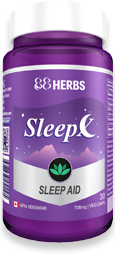
Note: Many customers who have trouble sleeping in addition to their anxiety like to take both our ashwagandha as well as our herbal sleep blend (SleepX).

5 HTP – This works well and quickly. It’s more of a natural anti-depressant, but many people love it for their social anxiety. It can cause drowsiness in some people but others love it. Be careful of the dosage. Some people like a lot, and some people are extremely sensitive to small doses. Here is our natural source, pharmaceutical grade, 5 HTP. It’s great on its own and in combination with the other herbs mentioned here.

L Tryptophan – Similar to 5 HTP, but it may be more “drowsy”. Some people prefer it though. It has a different “feel” to it, even though the mechanism with 5 HTP is similar.

Magnesium – This works amazingly well and quickly for some. Make sure the form is NOT “oxide”. Many brands sell oxide because it’s cheap. The problem is that it barely absorbs and it doesn’t work in the body. Our non-buffered magnesium bisglycinate absorbs the best. It is very pure and it won’t cause any laxative effects. It’s known as the “calming mineral” and this is a great supplement for reducing anxiety and for health in general.

Rhodiola Rosea – Rhodiola can also be a great herbal supplement for anxiety. It lowers the stress hormone cortisol, and a lot of people feel great from it. It’s also unique in that in addition to helping improve mood and lower anxiety levels, it is also energizing. Many anxiety supplements (and medications for that matter) also cause drowsiness in many people. That’s one reason rhodiola is a great addition to the anxiety mix. Dosing is important here. Too much rhodiola can cause an increase in anxiety, but we sell an organic Tibetan Rhodiola Rosea in a good dose and we have customers all over who love it for their anxiety. It is also great to take in combination with ashwagandha. Both herbs lower cortisol – rhodiola is more energizing and ashwagandha is more calming, but both can lower overall anxiety. Here is a good article on the combination

GABA is another supplement which can reduce anxiety. It doesn’t cross the blood brain barrier. Supplements like 5 HTP can increase GABA indirectly, and since it crosses the blood brain barrier, it will work inside the brain. For this reason, GABA is often considered inferior to 5 HTP and others, but it is important to note that some people do prefer GABA in its pure form based on their own biochemistry and experience.

Acetyl L Carnitine (It gives high energy and improves mood too. Some people actually get more nervous from it because of the increased energy, but it works very well and is an interesting option to try) People respond very differently to Acetly L Carnitine. (Make sure it’s very pure and that it’s “Acetyl” and not “Tartrate”). If they don’t specify, don’t buy.

Another way to treat social anxiety naturally through supplementation is to do it by treating general anxiety and lowering that. Some people would like to take a supplement daily to reduce their baseline (average daily) levels of anxiety. If they reduce their general levels of anxiety day-to-day, they find that they are both less nervous and anxious in general, and also don’t have much or any social anxiety anymore. They are a lot calmer in general, so their social anxiety goes out the window when they clear up their general anxiety. This really depends on the severity of the anxiety and the person.

If you want to treat anxiety in general with supplements over a longer and daily course of action, you can use combination herbal formulas, like our Zen+ Or you can use single herbs which have been known to drastically lower anxiety. Many customers like to buy the entire anxiety supplement stack. They do work great together so it may be something you may want to try together. Here are the individual links and you can get them all on our online store (Our deliveries are fast all over the world)

L Theanine
Ashwagandha
Rhodiola Rosea
Magnesium Bisglycinate
5 HTP
Zen+

L-Theanine – Education and Overview

L-Theanine Overview:

L Theanine is a unique and powerful amino acid. It’s both found in nature and made synthetically – qualities vary substantially. It has a remarkably wide range of uses, and a large and growing body of scientific evidence is available to back up the claims. It has been steadily growing in popularity as a safe and effective supplement in North America and across the globe in recent years – particularly since 2011. L Theanine is used for reducing anxiety, improving mood, helping with ADHD, for improving focus and concentration, as an effective sleep aid, as a detox agent, and even for reducing cravings for nicotine and possibly several other drugs. (More uses below)

History

L Theanine was first discovered as a component in green tea in 1949. It was then extracted for the first time a year later from gyokuro leaves. (Gyokuro is a particular type of Japanese green tea). L Theanine is present in green, black, and white tea, as well as in certain varieties of fungi.

L Theanine was approved in Japan in 1964 for essentially unlimited use as an ingredient in all foods and beverages with the exception of infant foods. L Theanine has been granted GRAS (generally regarded as safe) status in the USA. L Theanine supplements have been approved for sale in the majority of countries which allow supplements in general. So there have already been several decades of international reporting on the use of L Theanine in terms of both safety and efficacy.

There are about 20 mg of L Theanine in a standard cup of green tea. Most supplements of L Theanine, however, contain anywhere from 50 – 250 mg.

The L Theanine found in supplements is the same molecule you find naturally in green tea, but the L Theanine is actually processed in a lab. So it’s important you pay attention to where and how the L Theanine is manufactured in order to assure safety and efficacy. Qualities range substantially, and we’ll dive into this topic below.

How does L Theanine work?

L Theanine absorbs quickly via the small intestine and is fast acting. It takes less than 50 minutes for blood levels of L Theanine to reach their peak after ingestion. It is able to cross the blood brain barrier and affect the inside of the brain directly.

L Theanine works in a variety of ways:

L Theanine appears to both increase the amount of GABA in the brain as well as increase the effectiveness of GABA. GABA is the body’s main inhibitory neurotransmitter – higher levels of GABA are associated with calmer mental states and lower levels of anxiety.

Since L Theanine can cross the blood brain barrier, it can enter the brain directly and affect GABA levels there. It’s likely because of this that many people prefer L Theanine to GABA supplements – GABA taken orally cannot cross the blood brain barrier.

L Theanine also increases alpha brain wave activity. Alpha brain waves are largely present during extremely calm yet focused mental states, and also deep REM sleep. It’s quite likely that this increase in alpha brain wave activity is what makes L Theanine useful for lowering anxiety, increasing mental focus, all while being non-drowsy when taken during the day. This is in line with the high alpha brain wave activity we see during focused meditation by experts in Zen meditation.

L Theanine increases glutathione levels. Glutathione is probably the body’s most important anti-oxidant molecule. High levels of glutathione help with liver health and detox. Many people report L Theanine to work wonders for preventing or curing hangovers from too much alcohol. Some people take it before a night on the town, while others take it after the hangover kicks in.

L Theanine is known for its ability to lower blood pressure due to psychological stress. This could be another key as to why it’s so good for improving mood, confidence, and mental focus. Even when psychologically stressful stimuli are present, L Theanine allows us to maintain our peaceful and focused state of mind rather than getting all worked up with high blood pressure and the like.

L Theanine is well known for decreasing the negative and jittery effects of caffeine. The L Theanine in tea is believed to be the main reason that tea makes us feel calmer and less jittery than coffee, even if we drink a lot of tea (and hence a lot of caffeine).  Caffeine and L Theanine are often taken together and they have been scientifically shown to work synergistically.

A lot of people also enjoy taking l-theanine together with ashwagandha.

L Theanine is also believed to regulate dopamine and serotonin levels. Serotonin is well-known as the “feel good” neurotransmitter.

Dopamine is the pleasurable neurotransmitter associated with the “reward circuit”. Quickly rising and falling dopamine levels are the reason it’s hard to eat just one potato chip or one piece of chocolate. When we eat one, our dopamine spikes, and after a few minutes, or less, the dopamine levels drop and we crave more chips or chocolate to get the “dopamine high” again. There is more and more scientific literature coming out on L Theanine’s ability to reduce cravings in nicotine and other drug addicts. This may be because L Theanine can help stabilize dopamine levels so the addict doesn’t experience such large swings and cravings.

What is L Theanine used for?

More and more benefits and uses for L Theanine are being studied and reported all the time. Here is a list of the wide range of therapeutic uses for L Theanine.

• Promotes calmness and relaxation
• Anti anxiety and anti stress
• Sleep aid
• Improving concentration and focus
• Synergistic effects when coupled with caffeine
• Help with social anxiety disorder and approach anxiety
• Good for liver protection and helps as a hangover cure
• Helps people (and children) with ADHD
• Helps increase the effectiveness of cancer medications

Safety and Toxicity

L Theanine has an excellent safety track record. There have been no known overdoses of L Theanine. The lethal dose (LD) – the amount you’d need to eat in order to die from – is very high; about 5 grams per kilo of body weight. This is well over 1000 times the recommended dose. It has been granted GRAS (generally regarded as safe) status in the USA by the FDA. It’s also considered very safe by the majority of countries internationally. It’s always a good idea to check with your health care practitioner for specifics regarding your own personal situation.

The L Theanine molecule

L Theanine is an amino acid molecule, and a structural analog of both L Glutamic acid and L Glutamine. A “structural analog” means that the molecules are very similar on a physical level. A “functional analog” on the other hand, means that the molecules perform similar functions in the body.

L Theanine is also known by its chemical name, N5-Ethyl-L-Glutamine. The term “L Theanine” is generally used instead just because it’s much simpler.

L Theanine absorption and digestion

L Theanine is absorbed in the small intestine and its absorption is relatively quick. On an empty stomach, it may take less than 20 minutes for the effects of L Theanine to be felt, and the maximum effects are present around 35-45 minutes after ingestion. The half life of L Theanine in humans ranged between 58 and 74 minutes. It is able to cross the brain blood barrier directly without breaking down, so it can directly cause physiological effects inside the brain. It is metabolized in the kidneys glutamic acid and ethylamine.

L vs D Theanine – a matter of purity and quality

You’ll often see “Theanine” used interchangeably with “L Theanine”. The theanine molecule actually comes in 2 forms. The “L” form, and the “D” form. You may remember from high school chemistry class that these are both isomers of the same molecule. They are very similar structurally – they are mirror images of each other – but certainly not the same thing.

“L” Theanine is the form of the molecule we’re interested in. It is the form which is found in nature, and it’s the one which has been studied the most. “D” Theanine is not natural. But D Theanine can, and often does, occur in high percentages when a poor batch of L Theanine is produced. This is a process called “racemization”, where the mistreated Theanine has either been heated for extended periods of time undergone other poor processes. One aspect of high quality L Theanine is ensuring that the % of the L isomer is very high, and that the % of D Theanine is miniscule. Don’t be fooled by labels as many brands may claim they are selling “L” Theanine, even though a lab analysis will show that high levels of the “D” isomer are present.

To be fair, “D” Theanine hasn’t really been studied in great detail. It’s not necessarily as harmful as some critics may claim. It is believed however that D and L Theanine compete for the same absorption sites, so the more D Theanine a product has, the less your body is able to absorb and utilize the L Theanine. So make certain you know the % of L Theanine you are getting, and make sure the brand you buy from actually performs lab testing.

Where to buy high quality l-theanine?

We spent years looking to source an extremely pure l-theanine.  It is 3rd party lab tested and proven to be over 99% pure.  Our customers absolutely love this product.  We also use veggie caps and no magnesium stearate or unhealthy fillers.

Here is a video we made about how to choose the best quality l-theanine.

L-theanine: Change your Mood

Increase the body’s natural production of GABA, seratonin, and dopamine. Below you’ll see how each herb works individually, but the brilliance of ZenX, however, stems from how these 5 herbs act synergistically and in harmony with each other. Some of the herbs act like a natural anti-anxiety benzodiazapam (Valium or Xanax). act synergistically and in harmony with each other. Some of the herbs act like a natural increase the body’s natural production of GABA, seratonin, and dopamine. Below you’ll see how each herb works individually, but the brilliance of ZenX, however, stems from how these 5 herbs act synergistically and in harmony with each other. Some of the herbs act like a natural anti-anxiety benzodiazapam (Valium or Xanax).

L-Theanine and Anger Management

We’ve experimented a lot with L-Theanine – it’s one of our absolute favorite supplements.

When we look at the wide range of effects it has on people, one of the most strikingly obvious ones is that it seems to control people’s anger, and almost “short circuit” their “short fuse” mechanism.
So, does supplementing with L-Theanine seem to help control anger?

Yes. Absolutely yes.

I’ve even gone as far as trying to tease a few close friends and willing participants who were experiencing the affects of L-Theanine. I was almost trying to make them angry by getting under their skin – it didn’t work, I couldn’t make them angry very easily at all.

We all know that some people get angry and snappy more easily than others, but from what we’ve seen time and time again, those who are on L-Theanine seem to find getting angry and “blowing up for no reason” much more difficult.

It’s well documented that L-Theanine is great for making people feel calm and relaxed. But what is newer is that it now also seems to be really effective at keeping them in this state. Once they are calm and relaxed from the effects of L-Theanine, its significantly more difficult for them to “switch gears” and get into their usual patterns of explosive and needless anger.

L-Theanine is great for anyone who has anger issues, and it’s great to recommend to anyone you know who is may have trouble with anger management. (Note: They might be more willing to try if you tell them it will make them more relaxed and improve their mood, rather than tell them it’s for their “anger problems”)

There are many ways in which L-Theanine may help control anger. One simple one is that it increases the effects of GABA, thus putting people in a calmer and more relaxed state. GABA is inhibitory, so a normal event or stimulus which may typically induce anger will be ignored.

It also makes people feel happier by slightly increasing dopamine. It’s difficult to feel happy and angry at the same time. Dopamine is released after sex for example – and think about how difficult it is to become angry for no reason right after sex.

L-Theanine also causes nice long and stable alpha brain waves. These long and stable alpha brain waves are the furthest type of brain activity from anger. Once your mind is in this state, it’s not easy to get out of it. Amazingly, L-Theanine doesn’t cause drowsiness, so you don’t need to worry about taking it during the day. You’ll be relaxed but clear headed.

L-Theanine is also helpful with liver metabolism, and a sluggish and poorly functioning liver is well known to be associated with anger as well.

Main conclusion here is that based on modern scientific literature, and also an incredible amount of first hand evidence and experiences, we highly recommend giving a premium grade L-Theanine a try for anger management issues, as well as for increasing relaxation and improving mood. It really and truly is a wonderful supplement.

Ashwagandha and Stress – Anxiety, Depression, and Sleep

This article explores the truth and the science behind how premium “full spectrum” ashwagandha helps significantly decrease stress, anxiety, depression, and insomnia. We will discuss each one separately below.

Note: The content is from a double blind, peer reviewed, internationally accepted scientific study performed on humans. It was published in medical journals in July of 2012. This is truly science based medicine and not conjecture. It’s important to note that the ashwagandha used in the study is the exact same one we use at 88Herbs for all of our products. It’s a full spectrum, organic, non-GMO, ashwagandha root extract standardized to 5% withanolides (the main active ingredient). It is water filtered and uses zero chemical solvents in the processing. It’s a multiple award winner and truly the best quality ashwagandha in the world.

Overview –

Ashwagandha is an adaptogen. That means it’s an herb with properties that help the body cope with all kinds of stress. It’s unique in that it causes the body to “normalize”, thus giving us energy when we need it during the day, or making us sleepy at night. It makes us function how we should function while being non addictive and safe. It’s been known for centuries to have wonderful healing properties. Now the science is backing up the claims. But it’s absolutely essential to use the right type of the product. Not all ashwagandhas are created equal. Not even close. We sincerely challenge you to find an ashwagandha better than 88Herbs Ashwagandha. We are very proud of what we’re using.

Ashwagandha and Stress – Scientific study

This study had 64 human participants. It was amazing in that the results with the ashwagandha group compared with the placebo group were vastly different and extremely impressive. What was also amazing about this study was that they didn’t just measure one thing. Ashwagandha significantly improved how people felt AND what the scientists saw when they analysed the subject’s blood for cortisol – the body’s main stress hormone.

These results were fantastic, which is why sales of ashwagandha are skyrocketing and it’s one of the fastest growing herbs on the market.

What happened

The 64 people were split into 2 groups. 32 people took 300mg of ashwagandha twice a day for 60 days. The other 32 people took a placebo (essentially a sugar pill). It was double blind. That means that neither the experimenters nor the participants knew what they were getting. No one could “cheat”.

They measured many things at the start of the experiment and then again after the 60 days. They analysed what the ashwagandha did and what honest effects it had.

Stress is interesting to measure. You can ask people “how stressed do you feel” or “how anxious do you feel”, OR you can take a look inside people’s blood and see with a microscope if they have many stress hormones and chemicals inside the blood to indicate anxiety and stress. This experiment measured both. The questions were more complex than simply asking, “how stressed do you feel”, but essentially the experimenters used scientifically proven questioning methods to analyse how people said they felt, AND analysed what physical results were visible within the body and blood.

Stress can manifest itself in many ways. Too much stress causes anxiety, it can cause depression, and it can disturb sleep. There are many ways stress can harm the body, but this particular study just focused on these ways. The results were that this premium grade ashwagandha helped lower anxiety, improve sleep quality, decrease depression, and lower overall stress biomarkers (cortisol) in the blood. Amazing.

Ashwagandha and Anxiety

Does ashwagandha help to reduce anxiety? YES. This study proves it beyond a reasonable doubt.
Everyone in the study was asked to answer many questions on how much anxiety they had at the beginning of the study, and again after 60 days. Remember, they didn’t know if they were getting real premium ashwagandha or just placebo capsules.

The study clearly showed that people in the ashwagandha group had far lower levels of anxiety than people in the placebo group. Their anxiety levels decreased by 75.6%. This is not only what showed up in the blood, but also how people actually felt according to scientific tests. They felt much less anxious. It worked in every way you can analyse this. This appears much safer, less addictive, and even more effective than many pharmaceutical drugs for anxiety.

Ashwagandha and Depression

Anxiety and depression are quite different. So does ashwagandha help decrease depression too? Again, YES.
This study showed that the ashwagandha group had their depression (actually severe depression) lowered by a whopping 79.2%. Until now, ashwagandha hasn’t had the recognition for helping with depression as much as St. John’s Wort for example, but this is changing quickly and ashwagandha sales are rising rapidly.

Ashwagandha and Sleep

Does ashwagandha also help improve the quality of people’s sleep? Again, YES. The study here proves it.

The ashwagandha group taking 300mg twice a day reported significantly improved sleep quality and lower levels of insomnia after 60 days. And this was compared with the control group in the same double blind experiment. They reported a 69.7% increase in reducing their insomnia. It’s interesting to note that the ashwagandha didn’t need to be taken before bed to help with sleep. People who took it during the day ended up sleeping much better at night.

Ashwagandha and cortisol

Cortisol is the body’s stress hormone. When we are stressed (any type of stress: Physical, mental, emotional, being tired, hungry… anything) we release cortisol. High levels of cortisol are extremely unhealthy for the body and in today’s modern world, most of the society has dangerously high levels of cortisol. Cortisol makes us stressed, weak, sick, depressed, and age more quickly.

You can’t ask someone how much cortisol they think they have in their blood. You need to measure it by taking the blood and analysing the levels.

In this experiment, researchers compared the cortisol levels in the blood of the people taking ashwagandha at the beginning of the study with their cortisol levels 60 days later. The blood levels of cortisol dropped significantly for the people taking this particular ashwagandha. The cortisol levels decreased by 27.9% in only 60 days. That is an enormous drop in cortisol levels and it explains a lot. Lowering cortisol not only decreases stress, improves mood, and decreases anxiety and depression, but it also is healthy on the heart and for longevity.

How can ashwagandha help with anxiety, depression, insomnia, and stress all at the same time?

Ashwagandha actually helps with a lot more than that, but this article is focussing on just these issues. But it is surprising how one herb can have so many positive effects.

How?

There are several theories and there are many active ingredients within ashwagandha. In layman’s terms they get called the same thing “withanolides” but actually there is a lot going on and even a lot of difference between the types of withanolides. So even though ashwagandha is just one plant, there are several different molecules going to work on the body simultaneously.

It’s also possible to look at a simpler answer. Ashwagandha lowers blood levels of the stress hormone cortisol. Having high levels of cortisol causes insomnia, feelings of stress, weakens the immune system, causes us to feel anxious and depressed. So by simply lowering our cortisol levels by so much, ashwagandha is able to have a positive impact – in a huge way – on anxiety, stress, sleep, and depression.

Here is an article about a specific type of ashwagandha: KSM-66 Ashwagandha for anxiety

Important thing to understand when choosing which ashwagandha you want to buy.

There are countless brands and varieties of ashwagandha on the market, and it’s essential to do your homework and choose the best one. Different types of ashwagandha differ between each other more than even various qualities of red wine do. 88Herbs ashwagandha has been scientifically proven to reduce stress, reduce anxiety, reduce depression, and improve sleep quality. We use this exact type of ashwagandha in our singles and in all of our herbal blends.

Our ashwagandha is water filtered, non-GMO, organic, potent (5% of the highest quality withanolides from the root) and incredibly effective. We truly believe nothing else compares, and we’ve searched the planet for everything available.

vitamin supplements

Do I need a Vitamin Supplement

This article will really help provide new insights on this question, and give you a new way to look at this topic objectively.  It is not only for vitamin supplements, but all supplements.  This is an important read.

Far too often we see people on one side of the debate saying “Absolutely not, there are enough vitamins and minerals for most people if they eat a healthy diet”.

And far too often we see supplement companies trying to sell their vitamins and other supplements without any real solid reasoning behind what they are saying.

This article aims to give you a solid understanding of what is really going on here, and give you the insights to make your own decisions.  It’s not an easy question, and there is a lot more to this than almost everyone acknowledges.

Let’s first go through some terms and analyse the way they are determined.  Please read this entire article and think through it for yourself.  We encourage some healthy scepticism.  See if it makes sense to you and please draw your own conclusions.

What is RDA?

The “RDA” for vitamins, minerals, and other supplements refers to the “Recommended daily allowance” for these vitamins and minerals.

So this is the amount each person is supposed to get each day from their diet in order to achieve optimal health.

The “RDA” was originally conceived in 1941 during world war 2.  The purpose was supposedly to give the western troops some kind of major health advantage over their opposition.  This was war time, and the government and their scientists were looking to obtain any edge they could.  Healthier troops and a healthier population at large meant a higher chance of winning the war.

An interesting history no doubt, but we’re well into the 21st century now and we really need to examine this system and scrutinize it in detail if we’re truly interested in optimal human health.

In fairness, the RDA is updated every decade or so, but as you’ll see in the rest of this article, the methods for calculation it are so far off from achieving optimal health that it’s almost frightening.

Have you ever wondered, who makes these “recommendations”, and what are these recommendations based on?

The vast majority of people just assume that these recommendations are probably set by a top group of doctors who use data from scientific studies to determine the optimal amounts of each vitamin and mineral for humans, and then just report on those numbers to come up with the RDA.  Well… Unfortunately that is not how it works.  Not even close.

How is RDA calculated?

In order to really understand how the RDA is calculated for each vitamin, mineral, and other supplement, it’s important to first understand how this is NOT calculated.

Think about it.  If you really wanted to know how much of a vitamin or mineral to recommend people consume each day for optimal health, you would first need to know the long term health of a large sample of people taking a certain daily amount of a certain vitamin or mineral (say magnesium), and compare that to the health of equally large groups of people taking different amounts of magnesium.  Then you would basically recommend the amount corresponding to the healthiest group.

But there is a MAJOR problem here.  There is absolutely no data for this.  We have no long term health data for groups of people taking 5mg per day of magnesium, 10mg per day, and all the way up to a huge amount like 5000 mg per day.  It doesn’t exist.  So in many important ways, the RDA is simply a wild guess, and it is therefore quite useless.

So how do they calculate it then?

Well, in sticking to our example with magnesium, they really just look at how much magnesium the general population gets from a fairly balanced 2000 calorie diet.  (They make slightly different RDA suggestions for children, women, and the elderly, but this is just a basic idea of what’s going on).  Then they recommend this amount if it seems adequate for 97.5% of the population.

And the way they determine “adequate” is just if these people are healthy in the sense that they have no obvious illnesses and are generally able to function.  Their standards for “health” are just the absence of an obvious disease.  This is not true health by any means.

So if most people (97.5% of them) generally consume X amount of mg of magnesium from their average daily diet, and seem “OK” in the sense that they aren’t rushing into the hospital with illnesses directly related to this amount, then the government will just “recommend” this amount.

You can see that it’s hugely problematic in the sense that this recommendation isn’t at all designed to be an optimal amount.  It never was.  And it’s important people know what’s going on here and understand the major limitations of these numbers.

It’s not at all logical to assume that a typical well balanced diet would contain the optimal amount of each vitamin or mineral for humans.  Sure, these amounts are fine in the sense that most of us are consuming these already and don’t seem “sick”.  But what if we were to consume 3-5 times the amounts found in a typical diet?  Might we not be even healthier?  Of course, this amount might make no difference, and it might be worse to have this amount.  But it’s absurd not to be open to the possibility.

There is unfortunately no large scale data for different amounts of each vitamin and mineral, so the government just errs on the side of caution and “recommends” pretty much what is found in a diet.  That’s it.  And that’s a big problem for anyone interested in incredible human health and vitality.

What about the UL?

In addition to the “RDA”, you’ll also come across the “UL”.  This is the “Upper Limit” of a vitamin or mineral the government regulators say is “safe” to take on a daily basis.  Having more than the UL, they claim, is increasing one’s chances of negative consequences or side effects.

It is important to have an upper limit and know what is safe for us to consume.  The problem once again, however, is that the UL is largely made up and isn’t based on solid scientific data.  This is because the data doesn’t exist.  The government again errs on the side of caution, and if there are some reported cases of adverse reactions to specific amounts of a vitamin or mineral, they will use these numbers to set a “safety limit”.  Unfortunately, these numbers are not well determined because of lack of data.  This is why all of these numbers are so hotly debated in the health and wellness community.

Many naturopaths and nutritionists will see from their own patients that taking 5 times the UL of a certain vitamin or mineral sometimes has hugely positive effects on those people’s health and lives.  But they can’t use these experiences to get the numbers changed.

Many people who take large doses of certain vitamins or minerals will swear by their large doses too.  But all too often the medical community will be warning these people of major health risks, and arguing that the benefits they are claiming to experience must be a placebo or from something else.

While it is very true that individual claims about the effects of supplements can not, and should not be taken as scientific facts, it’s also true that we should all be open to hearing about their experiences and trying to replicate them in real studies to see if more people benefit.  This is a much better approach than what is all too common now, which is telling people that they are taking huge health risks and only experiencing placebos rather than anything real.

I’ve seen far too many times that “most people get all the nutrients they need from a well balanced diet”.

How does anyone know this?  And what do they mean “all they need”? Often times more of a vitamin could very well be worse.  But it could potentially be better too.  And just because you don’t have a “deficiency” in something does NOT mean you are consuming an optimal level of it.


Don’t forget, a deficiency in a vitamin or mineral is basically defined as an amount so low that you get physically ill from.  And you need more if you want to get rid of the sickness. It doesn’t mean “any amount which is below optimum”.


It’s true that people can “function” without being “sick” on relatively low levels of many vitamins and minerals.  It’s also true that people may not “need” supplements.  But so what.  We want to discover the amounts of vitamins, minerals, and supplements which will propel us all to superb health, not just accept levels which allow us to avoid extreme diseases.


Conclusion


It’s important we’re all aware that the recommended amounts of vitamins, minerals, and other supplements are primarily based of the amounts of each the majority of the healthy population consumes over the course of their typical diet.

These recommended amounts are not based on a wide range of scientific studies because the data does not exist.  They always err on the low side when making these recommendations.

Also be aware they are viewing “health” as the “absence of being sick” rather than truly looking for optimum health and vitality.

Many of these recommendations are “safe” but antiquated.  If you are legitimately interested in optimum human health and vitality, you need to be constantly educating yourself in this field and being open to new research and ideas. It’s important to keep pushing the envelope of your understanding and paying attention to new scientific knowledge coming in all the time.

Ashwagandha

Ashwagandha

Ashwagandha Overview

Ashwagandha, also known as Withania Somnifera or Indian Ginseng, is a powerful adaptogen traditionally used in Indian Ayurvedic medicine and traditional Chinese medicine. It’s been used for thousands of years as a “wonder herb” known to treat an extremely wide variety of ailments. The best Indian and Chinese doctors of thousands of years ago knew very well of the benefits of ashwagandha, but the herb and other adaptogens have only really been studied scientifically in the west since the 1940′s.

International scientists were very curious as to why people in Siberia lived such long and healthy lives with very little stress. Thousands of studies on over half a million people were conducted on Ashwagandha. It proved to boost energy when needed, calm nerves when a person was experiencing feelings of anxiety, improve mood, sexual vitality, and a lot more (See below).

Ashwagandha’s popularity in the west has been accelerating during the last few decades, and particularly during the past couple of years. Well-respected international scientists have been performing hundreds of double blind studies on ashwagandha in the past few years alone, finally proving the true benefits of ashwagandha in the scientific community.

A lot more research is currently underway and the results look extremely promising. The quality of the world’s best ashwagandha is also getting far better, as organic growing, and better cultivation and extraction processes have improved tremendously. See below for more info on choosing superior quality ashwagandha. ***We will keep this page updated as new results come in.

What is an adaptogen?

Ashwagandha is an extremely powerful and versatile adaptogen. In a nutshell, an adaptogen is a class of herbs which work holistically on the entire body to bring it back to homeostasis and help it function efficiently. An adaptogen must also possess several properties: It must be completely non-toxic, be non-specific in its action – meaning that it acts on the whole body rather than on a specific organ or location, and help restore homeostasis.

It can provide energy to a person feeling sluggish. It can have a calming effect on a person’s nerves when they are tense and anxious. It can help someone sleep at night if they are in need of a good sleep. It can help someone with a foggy mind focus more clearly and concentrate.

The body is designed to function very well, much better than most of us today experience, and Ashwagandha helps to restore the body and bring it back to its healthiest state.

Adaptogens have been important for thousands of years, but they are probably more important now than ever as humans are so out-of-whack in today’s stressful modern society. We don’t sleep enough, we’re too stressed, we eat too much sugar, we multi-task, we consume far too many toxins… Cancer rates are through the roof as are a myriad of degenerative genetic disorders. In many ways, we’re far worse off than our ancient ancestors in terms of our hormone levels and balance. Adaptogens, specifically ashwagandha, can help us attain the health and vitality we are capable of.

How does Ashwagandha work?

Ashwagandha’s mechanisms of action are difficult to explain in western scientific terms because the plant contains so many active ingredients and works on so many natural systems simultaneously. The generally sited active ingredients in ashwagandha are a class of compounds called “withanolides”. These include withaferins, alkaloids, saponins, and steroidal lactones among many more. These active ingredients are mainly concentrated in the “root”.

Ashwagandha helps to regulate neurotransmitters like serotonin, dopamine, and GABA. It is a wonderful herb to take both on its own and in combination with other herbs to get a “multiplier effect”. It is also incredibly non-toxic. Of course, it’s always wise to check with a health care practitioner when mixing with medications or combining herbs.

One major mechanism of action for ashwagandha is in its ability to decrease stress levels by substantially reducing levels of the body’s stress hormone, cortisol.

It’s also important to note that the type of ashwagandha you use matters greatly. Ashwagandha is the name of a plant, but the supplements on the market are not simply the same plant dried, ground up, and put in capsules. There are different species of ashwagandha – some much better than others. The climate of growth matters a lot, whether or not it is organically grown, the extraction procedure, and the concentration, type, and quality of the active ingredients.

It also is of great concern what type of capsules the herb is placed in, what non-medicinal ingredients are included, and how fresh the brand has attained the herb.

We’ve done exhaustive research on the best quality organic ashwagandha, and we’ve done the best possible job at sourcing, storing, and encapsulating it in its purest and most potent form.

KSM-66 Ashwagandha – Why is it the best

The quality of the ashwagandha you use is unbelievably important. Please don’t make the mistake of buying an ashwagandha supplement with only the knowledge that you need “ashwagandha”. This would be akin to trying to buy good red wine or vodka in a restaurant or bar and only knowing the words “red wine” and “vodka”, and then just assuming that the qualities are all the same. They are not, and the differences with ashwagandha are even greater.

We’ve researched everything on ashwagandha. Here is what needs to be considered in a quality supplement:

  • The species of ashwagandha
  • The climate it is grown in
  • Ensuring it’s certified organic and non-GMO
  • The extraction methods (harsh chemicals or water based)
  • The % of withanolides or active ingredients
  • Where the withanolides are extracted (root, leaves, stem)?
  • The type of withanolides (they aren’t all the same)
  • Ensuring it is “full spectrum”
  • The double blind scientific research on the specific ashwagandha
  • The encapsulation procedure and the type of capsules used
  • The freshness and maintenance of the dried herb
  • Ensuring no magnesium stearate is used or other toxic non medicinal ingredients

The one type of ashwagandha which passes all of these tests and has a huge body of scientific research behind it is the award winning KSM-66 ashwagandha. We have no reason to be affiliated with this type of ashwagandha, other than the fact that we’ve found it to be the best through our own independent research. Learn more about KSM-66 and how we use the herb here.

What are the benefits of Ashwagandha?

Ashwagandha has some of the most impressive and the widest range of health benefits of any herb we’ve ever come across. Here we’ll list all of the scientifically studied health benefits of ashwagandha and include a few basic details. Follow the links for even more specific details. A lot of these studies are on the benefits of KSM-66 ashwagandha specifically.

Anti-Stress

One of the most important benefits of ashwagandha lies in its stress reducing properties. And the “stress” ashwagandha helps to reduce is all types of stress – physical, mental, emotional, from the environment, etc.
Ashwagandha significantly reduces the blood levels of cortisol, the body’s main stress hormone. Cortisol is released when a person encounters any type of stress – a punch in the face, a long workout, an argument with a spouse, an illness, an upcoming exam, a lack of sleep… Any type of stress. Cortisol does indeed have its function and purpose, but people’s stress responses are far too high in general and we need to lower them dramatically. We aren’t getting chased around by tigers all day now, but our hormones still act as if we are!
By blocking cortisol, ashwagandha allows us to handle stress much more easily, recover faster from it, and live healthier and with more vitality. These stress reducing/cortisol blocking effects also help with all of the conditions below.

Anti-Anxiety

Ashwagandha is quickly becoming well-known as one of the best natural supplements for reducing anxiety. There have been impressive double blind tests showing ashwagandha works at least as well as well-known anti-anxiety pharmaceutical medications, and without the side-effects.

This is a direct quote from Wikipedia –

Ashwagandha has been demonstrated to be as effective as some tranquilizers and antidepressant drugs. Specifically, oral administration of Ashwagandha for five days suggested anxiety-relieving effects similar to those achieved by the anti-anxiety drug lorazepam (Ativan®), and antidepressant effects similar to those of the prescription antidepressant drug imipramine (Tofranil®)

KSM-66 ashwagandha has the most impressive scientific research showing ashwagandha’s ability to reduce anxiety by not only reducing blood cortisol levels by almost 28%, but also by subjects passing every measurable test on anxiety.

Aphrodisiac – Sexual Enhancer in both men and women – libido and performance

Ashwagandha has a several thousand year history as a powerful aphrodisiac in both Indian ayurvedic medicine and traditional Chinese medicine. The current scientific research on the topic shows clearly that ashwagandha is great for both men and women to take in order to boost sexual function in a variety of ways.

As an adaptogen, ashwagandha works equally well, but differently, in both men and women.

In men, ashwagandha has been scientifically proven to increase testosterone levels significantly. It also increases sexual arousal, libido, stamina, and both semen quantity and quality. It also helps by reducing anxiety, which indirectly helps libido and interest in sex. There is evidence that it helps with the problem of premature ejaculation.

In women, ashwagandha increases libido, lubrication, sexual satisfaction, and orgasm quality and quantity. The anti-anxiety effects of ashwagandha help put women “in the mood” more often as well. This has an extra indirect effect on all of the above benefits for ashwagandha and women.

Anti-Inflammatory

Ashwagandha decreases inflammation. There are many scientific studies all backing this claim. The mechanisms for decreasing inflammation as far as ashwagandha supplementation is concerned are not totally understood yet, but the cortisol reducing properties may be largely responsible. Cortisol, when released in small and “normal” levels, is actually a good thing. It can help to reduce inflammation and prime the body to deal with the major stressors that life throws at us. But our cortisol levels are often way too high in the modern world. We need to reduce them and bring them to a balanced state for optimal health.

Inflammation is becoming ever-more known for causing all kinds of diseases from cancer to arthritis to migraines. Many experts believe that high inflammation is at the major root of all chronic health conditions. Lowering inflammation is key to a long and healthy life.

Anti-Cancer

There is very promising research showing ashwagandha’s anti-cancer properties. The anti-cancer properties work via many different mechanisms and in different ways. With something like cancer, its very difficult to study “scientifically” since it’s practically impossible to have a control group and an experimental group. So we need to view this problem through lab and animal studies rather than double blind human studies. Regardless, the results are promising and interesting.

Several animal and laboratory studies have shown that certain active ingredients in ashwagandha slow the growth of many different cancer cells.

Withaferin A is one particular withanaloid in ashwagandha extract which has the strongest anti-cancer properties, but at least 10 different compounds in ashwagandha have been shown to be beneficial in various ways with regards to cancer.

The compounds in ashwagandha extract work on various mechanisms as a powerful anti-cancer agent.

It is a powerful anti-oxidant, which protects normal cells from becoming cancerous. It helps make chemotherapy drugs work more effectively. It specifically can target and kill certain cancer cells while leaving normal cells intact. It stops or significantly reduces angiogenesis, which is the creation of new blood vessels that help aide the growth and spread of cancer cells.

Drug Withdrawal

Ashwagandha can be beneficial for severe and acute opiate withdrawal. This includes people looking to stop dependence on heroin, morphine, oxycontin, codeine, vicodin, Percocet… Ashwagandha can aide with the protection and regeneration of neurons as well as prevent the loss of dopaminergic activity generally associated with opiate withdrawal.

Ashwagandha has also been shown to act as a strong anxiolytic (anti-anxiety) drug such as the benzodiazepines Valium and Xanax. It could potentially help patients gradually reduce their dosages and ultimately dependence on these benzos.

Check with your doctor before experimenting or starting your own drug withdrawal programs to ensure safety.

Sleep aid

Ashwagandha has been shown to be a very powerful and effective natural sleep aid. People worldwide have used it successfully for this purpose for thousands of years. Being a powerful adaptogen, ashwagandha won’t put a well-rested person right to sleep when taken during the day, but it will help a person who needs a good night’s sleep to actually fall asleep and stay asleep. So it’s much different than a typical “sleeping pill” in this sense, and for the right people, it’s a lot better too.

Many people with various severities of insomnia love using ashwagandha to help with their sleep duration and quality.

Ashwagandha works to reduce anxiety as well as the stress hormone cortisol. These 2 functions help people in need of a good rest attain deep and restful sleep.

Energy Booster

In addition to helping as a powerful sleep aid, ashwagandha can also be a great energy booster. It may sound counter-intuitive for the same herb to be both a sleep aid and an energy booster, but a true understand of how ashwagandha works as an adaptogen helps to clear this up.

Remember, ashwagandha works on the whole body via many mechanisms. It helps restore the body to its natural peak state of homeostasis. It’s totally “normal” for a person to be very energetic during the day and exhausted and ready for sleep at night. This is what we want and this is what is healthy. By restoring our hormones and neurotransmitters to their proper levels, ashwagandha can give us a huge lift in mood and energy when we need it, such as when we wake up sluggish and foggy headed.

Helps reduce risk of diabetes

Type 2 diabetes and pre-diabetes are both conditions which affect tens of millions of people in the developed world – the developing world is now unfortunately catching up as well.

Pre-diabetes, type 2, or adult onset diabetes all have to do with insulin sensitivity. Our modern diets are horrible in general. We eat way too much sugar, and our pancreas needs to produce more and more insulin to deal with the sugar. Over time, our body has a harder time producing insulin, and the insulin we do produce is much less effective because we “wear out” the insulin receptors.

Ashwagandha can help both decrease fasting blood sugar levels and increase insulin sensitivity. Increased insulin sensitivity means that our body responds better to the same amount of insulin – we want this. We also want decreased fasting blood sugar levels as well so that we don’t need to dump so much insulin into the bloodstream.

And not only does ashwagandha seem to be a promising herb for preventing diabetes or reversing pre-diabetes, but it also looks as though it can help naturally reduce the symptoms of a patient who already has full blown diabetes – including decrease the heart problems and risks associated with the disease.

Heart Health

Like with cancer, heart disease is difficult to study scientifically with a traditional “double blind” type of study. But the current research on ashwagandha and heart health looks very promising.

Heart disease is very complex and there are a lot of factors at play. Ashwagandha significantly reduces blood levels of cortisol, the body’s stress hormone. High levels of cortisol are positively correlated with heart disease and heart attacks, so lowering cortisol alone can help significantly reduce the risks of heart disease.

Ashwagandha also decreases anxiety and stress – lower levels of anxiety and stress are very good for the heart. In animal studies ashwagandha has been shown to reduce triglyceride levels as well as high cholesterol in general. It has also been shown to reduce blood pressure when compared to a placebo as well.

The anti-inflammatory and anti oxidant properties of ashwagandha may help a post heart attack patient to recover more quickly while suffering less long term damage.

Improving Immune System

Ashwagandha, particularly KSM-66, has been shown to be effective in improving the immune system. The immune system is very complex. Part of the reason ashwagandha helps with immune function has to do with the adaptogenic property of the herb. Ashwagandha helps us lower cortisol and maintain a well-rested homeostasis. When our hormones are balanced, our immune system is strong.

Ashwagandha may help us recover faster from a common cold or help to prevent one. Ashwagandha has also shown promising results for reducing the length of genital and oral herpes as well – the herpes virus attacks us the hardest when we have a weakened immune system.

Testosterone Booster in males

One of the most impressive effects of ashwagandha (particularly KSM-66 ashwagandha) lies in its ability to increase testosterone naturally in males compared to a placebo. (Females don’t need to worry as it works differently on them, but is also very effective for different reasons. See below)

KSM-66 has been scientifically shown to naturally increase testosterone levels in males by 17%. In the same study it also improved semen volume by 53%, and sperm concentration by 167%. These are seriously impressive results showing the powerful testosterone boosting levels. Also see below for more positive news regarding ashwagandha and strength and athletic performance.

Improving strength, stamina, and athletic performance

KSM-66 ashwagandha is a fantastic natural sports enhancing supplement. It increases physical strength and it decreases recovery time after long and tough workouts. It has excellent hormone boosting properties such as increasing testosterone levels in men by an average of 17%.

Improving memory, learning, cognition

Ashwagandha has been shown to help with improving memory on the Wechsler Memory Scale. It has also been shown to scientifically help increase attention span.